
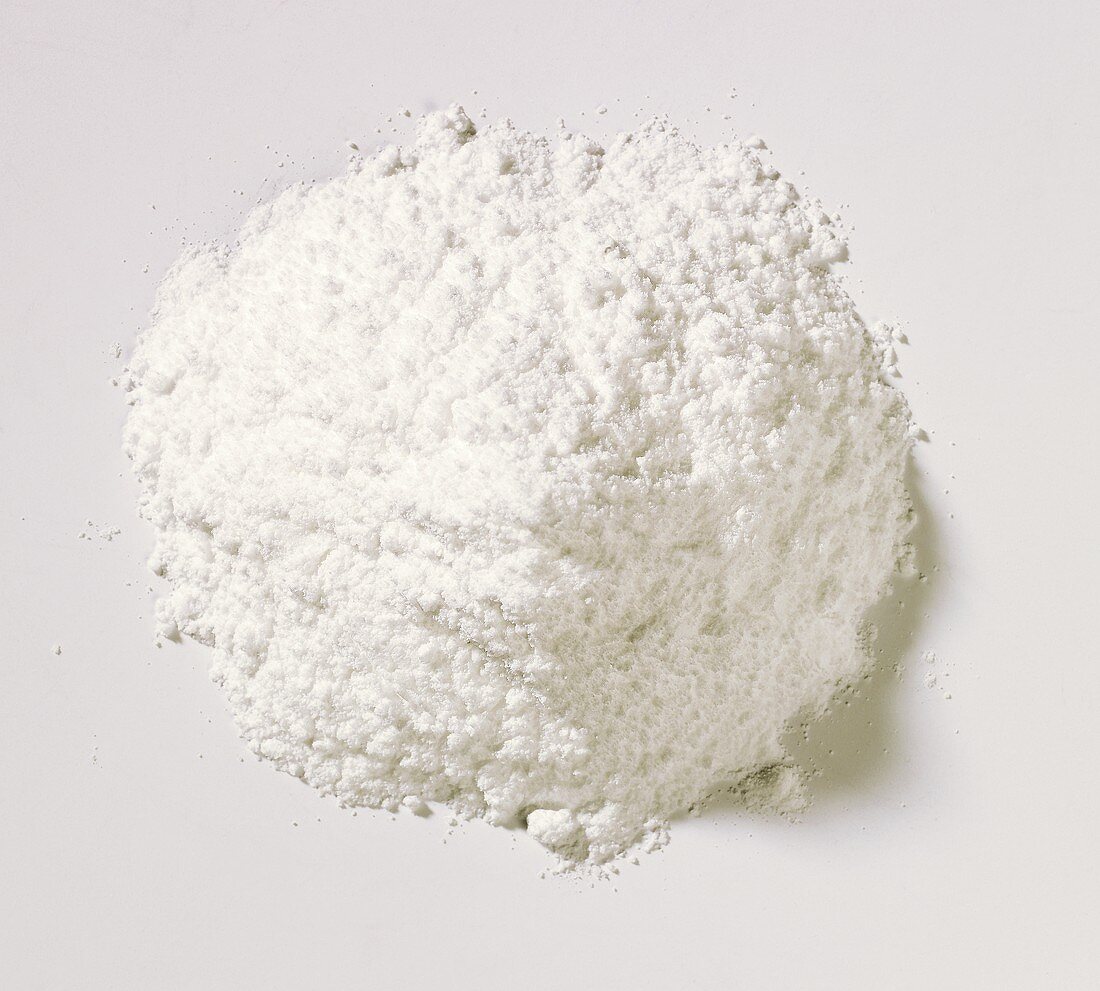
Acetaminophen Powder
$1,000
Wholesale Acetaminophen Powder Supplier.Paracetamol,[a] or acetaminophen,[b] is an analgesic and antipyretic agent used to treat fever and mild to moderate pain.[14][15] It is a widely available over-the-counter drug sold generically or under various brand names, including Tylenol and Panadol.
Paracetamol relieves pain in both acute mild migraine and episodic tension headache.[16][17] The aspirin/paracetamol/caffeine combination also helps with both conditions when the pain is mild and is recommended as a first-line treatment for them.[18] At a standard dose, paracetamol slightly reduces fever,[14][19][20] though it is inferior to ibuprofen in that respect[21] and the benefits of its use for fever are unclear, particularly in the context of fever of viral origins.[22] Paracetamol is effective for pain after wisdom tooth extraction, but it is less effective than ibuprofen.[23] The combination of paracetamol and ibuprofen provides greater analgesic efficacy than either drug alone.[23][24] The pain relief paracetamol provides in osteoarthritis is small and clinically insignificant.[15][25] Evidence supporting its use in low back pain, cancer pain, and neuropathic pain is insufficient.[15][26][27][28][29][30] Paracetamol is the first-line treatment for pain and fever in pregnancy; no causal association with neurodevelopmental disorders has been established, while untreated pain and fever can harm the mother and fetus.[31][32][33]
In support of existing recommendations for its safe use during pregnancy, a 2026 review found that there were no clinically significant increases in the occurrence of autism, attention deficit hyperactivity disorder, or intellectual disability in the children of pregnant women who used paracetamol as directed.[34]
When used as directed, at a recommended maximum daily dose for an adult of three to four grams,[26][35] paracetamol is safe and effective in the short term,[36] with uncommon adverse effects similar to those of ibuprofen.[37] It is often used in patients who cannot tolerate nonsteroidal anti-inflammatory drugs (NSAIDs) like ibuprofen,[38][39] than which paracetamol is typically safer in long-term use.[40] However, chronic consumption of paracetamol may result in a drop in hemoglobin level, indicating possible gastrointestinal bleeding,[41] and abnormal liver function tests, and higher doses may lead to toxicity, including liver failure.[42] Paracetamol poisoning is the foremost cause of acute liver failure in the Western world, and accounts for most drug overdoses in the United States, the United Kingdom, Australia, and New Zealand.[43][44][45]
Paracetamol was first made in 1878 by Harmon Northrop Morse or possibly in 1852 by Charles Frédéric Gerhardt.[46][47][48] It is the most commonly used medication for pain and fever in both the United States and Europe.[49] It is on the World Health Organization’s List of Essential Medicines.[50] Paracetamol is available as a generic medication, with brand names including Tylenol and Panadol, among others.[51] In 2023, it was the 112th most commonly prescribed medication in the United States, with more than 5 million prescriptions.[52][53]
Medical uses
Fever
Paracetamol is used for reducing fever.[54] However, there has been a lack of research on its antipyretic properties, particularly in adults, and thus its benefits are unclear.[14] As a result, it has been described as over-prescribed for this application.[14] In addition, low-quality clinical data indicates that when used for the common cold, paracetamol may relieve a stuffed or runny nose, but not other cold symptoms such as sore throat, malaise, sneezing, or cough.[55]
For people in critical care, paracetamol decreases body temperature by only 0.2–0.3 °C more than control interventions and does not affect their mortality.[19] It did not change the outcome in febrile patients with stroke.[56] The results are contradictory for paracetamol use in sepsis: higher mortality, lower mortality, and no change in mortality were all reported.[19] Paracetamol offered no benefit in the treatment of dengue fever and was accompanied by a higher rate of liver enzyme elevation: a sign of potential liver damage.[57] Overall, there is no support for a routine administration of antipyretic drugs, including paracetamol, to hospitalized patients with fever and infection.[22]
The efficacy of paracetamol in children with fever is unclear.[58] Paracetamol should not be used solely to reduce body temperature; however, it may be considered for children with fever who appear distressed.[59] It does not prevent febrile seizures.[59][60] It appears that 0.2 °C decrease of the body temperature in children after a standard dose of paracetamol is of questionable value, particularly in emergencies.[14] Based on this, some physicians advocate using higher doses that may decrease the temperature by as much as 0.7 °C.[20] Meta-analyses showed that paracetamol is less effective than ibuprofen in children (marginally less effective, according to another analysis[61]), including children younger than 2 years old,[62] with equivalent safety.[21] Exacerbation of asthma occurs with similar frequency for both medications.[63]
Pain
Paracetamol is used for the relief of mild to moderate pain such as headache, muscle aches, minor arthritis pain, and toothache, as well as pain caused by cold, flu, sprains, and dysmenorrhea.[64] It is recommended, in particular, for acute mild to moderate pain, since the evidence for the treatment of chronic pain is insufficient.[15]
Musculoskeletal pain
The benefits of paracetamol in musculoskeletal conditions, such as osteoarthritis and backache, are uncertain.[15]
It appears to provide only small and not clinically important benefits in osteoarthritis.[15][26] American College of Rheumatology and Arthritis Foundation guideline for the management of osteoarthritis notes that the effect size in clinical trials of paracetamol has been very small, which suggests that for most individuals it is ineffective.[25] The guideline conditionally recommends paracetamol for short-term and episodic use to those who do not tolerate nonsteroidal anti-inflammatory drugs. For people taking it regularly, monitoring for liver toxicity is required.[25] Essentially the same recommendation was issued by European League Against Rheumatism (EULAR) for hand osteoarthritis.[65] Similarly, the ESCEO algorithm for the treatment of knee osteoarthritis recommends limiting the use of paracetamol to short-term rescue analgesia only.[66]
Paracetamol is ineffective for acute low back pain.[15][27] No randomized clinical trials evaluated its use for chronic or radicular back pain, and the evidence in favor of paracetamol is lacking.[28][26][27]
Headaches
Paracetamol is effective for acute migraine:[16] 39% of people experience pain relief at one hour compared with 20% in the control group.[67] The aspirin/paracetamol/caffeine combination also “has strong evidence of effectiveness and can be used as a first-line treatment for migraine”.[18] Paracetamol on its own only slightly alleviates episodic tension headache in those who have them frequently.[17] However, the aspirin/paracetamol/caffeine combination is superior to both paracetamol alone and placebo and offers meaningful relief of tension headache: two hours after administering the medication, 29% of those who took the combination were pain-free as compared with 21% on paracetamol and 18% on placebo.[68] The German, Austrian, and Swiss headache societies and the German Society of Neurology recommend this combination as a “highlighted” one for self-medication of tension headache, with paracetamol/caffeine combination being a “remedy of first choice”, and paracetamol a “remedy of second choice”.[69]
Dental and other post-surgical pain
Pain after a dental surgery provides a reliable model for the action of analgesics on other kinds of acute pain.[70] For the relief of such pain, paracetamol is inferior to ibuprofen.[23] Full therapeutic doses of nonsteroidal anti-inflammatory drugs (NSAIDs) ibuprofen, naproxen, or diclofenac are clearly more efficacious than the paracetamol/codeine combination which is frequently prescribed for dental pain.[71] The combinations of paracetamol and NSAIDs ibuprofen or diclofenac are promising, possibly offering better pain control than either paracetamol or the NSAID alone.[23][24][72][73] Additionally, the paracetamol/ibuprofen combination may be superior to paracetamol/codeine and ibuprofen/codeine combinations.[24]
A meta-analysis of general post-surgical pain, which included dental and other surgery,
showed the paracetamol/codeine combination to be more effective than paracetamol alone: it provided significant pain relief to as much as 53% of the participants, while the placebo helped only 7%.[74]
Other pain
Paracetamol fails to relieve procedural pain in newborn babies.[75][76] For perineal pain postpartum paracetamol appears to be less effective than nonsteroidal anti-inflammatory drugs (NSAIDs).[77]
The studies to support or refute the use of paracetamol for cancer pain and neuropathic pain are lacking.[29][30] There is limited evidence in favor of the use of the intravenous form of paracetamol for acute pain control in the emergency department.[78] The combination of paracetamol with caffeine is superior to paracetamol alone for the treatment of acute pain.[79]
Patent ductus arteriosus
Paracetamol helps ductal closure in patent ductus arteriosus. It is as effective for this purpose as ibuprofen or indomethacin, but results in less frequent gastrointestinal bleeding than ibuprofen.[80] Its use for extremely low birth weight and gestational age infants, however, requires further study.[80]
Use in pregnancy and breastfeeding
Pregnancy
Paracetamol has long been established as a safe medication to treat short-term fever and significant pain in pregnant patients. Regulatory agencies, including the European Medicines Agency (EMA),[81] the Medicines and Healthcare products Regulatory Agency (MHRA),
[82] the World Health Organization (WHO),[83] and the U.S. Food and Drug Administration (FDA)[84] recommend paracetamol as a first-line analgesic and antipyretic in pregnancy, with use limited to situations where necessary, at the lowest effective dose, and for the shortest duration.
Some observational studies have suggested a possible association between prenatal paracetamol use and neurodevelopmental disorders, including ADHD and autism. However, these studies are limited by confounding factors such as maternal fever and infection, and do not demonstrate causation.[85][86][87][88]
Large, well-controlled studies, including sibling-controlled analyses, find no causal link after adjusting for maternal conditions.[85][86][87][88]
Untreated pain and fever can harm mother and fetus.[32][31]
Breastfeeding
Paracetamol is excreted in breast milk at measurable concentrations (milk/plasma ratio approximately 1),
but the amount ingested by the infant is much lower than paediatric therapeutic doses and rarely associated with clinical effects.[89][90] Use during breastfeeding is considered compatible at recommended doses, with extra caution for preterm infants or infants with liver disease.[91]
| Quantity | 1Kg |
|---|
Be the first to review “Acetaminophen Powder”
Related products
CANNABINOID


RESEARCH CHEMICALS
RESEARCH CHEMICALS
Eutylone Crystals(β-keto-1,3-benzodioxolyl-N-ethylbutanamine, bk-EBDB, and N-ethylbutylone)

RESEARCH CHEMICALS
CANNABINOID
CANNABINOID
CANNABINOID
RESEARCH CHEMICALS
Reviews
There are no reviews yet.