
Phenacetin Powder (CAS: 62-44-2)
$1,000
- Human Consumption: It is no longer approved for therapeutic use in humans or animals.
- Illicit Trade: It is frequently used as an adulterant (“cutting agent”) in street drugs like cocaine.
- Research and Industrial Use: It is sold strictly as an analytical reference standard, laboratory reagent, or chemical intermediate. [1, 2, 3, 4, 5]
- Toxicity: Prolonged use is strongly linked to kidney damage (analgesic nephropathy) and certain cancers (including renal pelvic tumors).
- Regulatory Warning: It is classified as a known carcinogen by the state of California under proposition 65. [1, 2, 3, 4, 5]
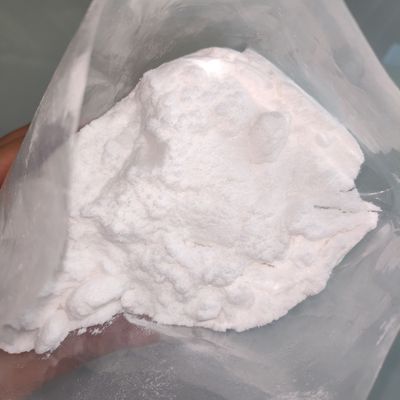
Phenacetin (p-Acetophenetidine), the chemical name is p-ethoxy-N-acetanilide, 4-ethoxy-N-acetanilide, p-acetanilide, and the chemical formula is C 10 H 13 NO 2, It is a white shiny scaly crystal or white crystalline powder at room temperature. It has a melting point of 137 ~ 138 ℃ and a boiling point of 132 ℃ /4 mmHg. It is hardly soluble in water and soluble in organic solvents such as ethanol, acetone, acetic acid, pyridine, and chloroform.
Pharmacodynamics
This product is an acetanilide antipyretic and analgesic, and its antipyretic and analgesic effect is mild and lasting. The antipyretic strength is similar to that of aspirin, but the analgesic effect is weaker. Few anti-inflammatory, anti-rheumatic and anti-platelet aggregation effects. Due to the greater toxicity and the replacement of paracetamol with similar effects and less toxicity, this product is no longer used alone. It is only used in compound preparations with aspirin, aminopyrine, and barbiturates.
Pharmacokinetics
The oral administration is rapid and complete. It reaches the peak blood concentration about 2 hours after oral administration. About 30% of the drug is bound to plasma proteins and quickly distributed in various tissues, but the concentration in the cerebrospinal fluid is very low. Mainly metabolized in the liver. Most (75%~80%) are deethylated in the liver to become therapeutic paracetamol; a small part is deacetylated to form toxic p-aminophene, which oxidizes hemoglobin to methemoglobin that loses its oxygen-carrying function , Resulting in symptoms such as cyanosis and hypoxia. ~ The duration of the administration is about 3-4h.
| Quantity | 1Kg |
|---|
Be the first to review “Phenacetin Powder (CAS: 62-44-2)”
Related products
RESEARCH CHEMICALS
CATHINONE
CANNABINOID
RESEARCH CHEMICALS
RESEARCH CHEMICALS
Eutylone Crystals(β-keto-1,3-benzodioxolyl-N-ethylbutanamine, bk-EBDB, and N-ethylbutylone)
CATHINONE
RESEARCH CHEMICALS
RESEARCH CHEMICALS
Reviews
There are no reviews yet.