
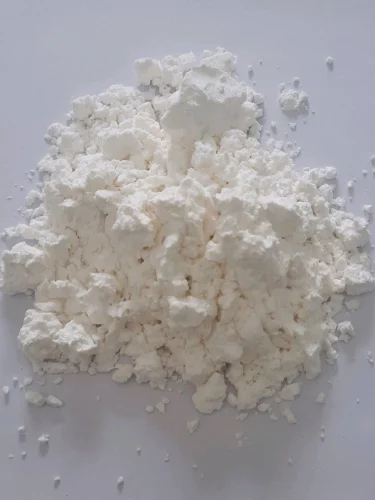
Diphenhydramine Powder CAS 147-24-0
$1,700
Where to Buy CAS No: 147-24-0 online,Diphenhydramine, sold under the brand name Benadryl among others, is an antihistamine and sedative. Although generally considered sedating, diphenhydramine can cause paradoxical central nervous system stimulation in some individuals, particularly at higher doses. This may manifest as agitation, anxiety, or restlessness rather than sedation.[14][15] It is a first-generation H1-antihistamine (i.e. it blocks histamine) with sedative effects.[16][2] Diphenhydramine is also a potent anticholinergic.[17] It is mainly used to treat allergies, insomnia, and symptoms of the common cold. It is also less commonly used for tremors in parkinsonism, and nausea.[16] It is taken by mouth, injected into a vein, injected into a muscle, or applied to the skin.[16] Maximal effect is typically around two hours after an oral dose, and effects can last for up to seven hours.[16]
Common side effects include sleepiness, poor coordination, and an upset stomach.[16] There is no clear risk of harm when used during pregnancy; however, use during breastfeeding is not recommended.[18]
It was developed by George Rieveschl and put into commercial use in 1946.[19][20] It is available as a generic medication.[16] In 2023, it was the 294th most commonly prescribed medication in the United States, with more than 700,000 prescriptions.[21][22]
Its sedative and deliriant effects have led to some cases of recreational use.[23][2]
Medical uses

Diphenhydramine is a first-generation antihistamine used to treat several conditions including allergic symptoms and itchiness, the common cold, insomnia, motion sickness, and extrapyramidal symptoms.[24][25] Diphenhydramine also has local anesthetic properties, and has been used as such in people allergic to common local anesthetics such as lidocaine.[26]
Allergies
Diphenhydramine is effective in the treatment of allergies.[27] As of 2007, it was the most commonly used antihistamine for acute allergic reactions in the emergency department.[28]
By injection, it is often used in addition to epinephrine for anaphylaxis,[29] although as of 2007 its use for this purpose had not been properly studied.[30] Its use is only recommended once acute symptoms have improved.[27]
.jpg)
Topical formulations of diphenhydramine are available, including creams, lotions, gels, sprays, and eye drops. These are used to relieve itching and have the advantage of causing fewer systemic effects (such as drowsiness) than oral forms.[31]
Movement disorders
Diphenhydramine is used to treat parkinsonism.[32] It is also used to treat acute dystonia, including torticollis and oculogyric crisis caused by typical antipsychotics.
Sleep
Because of its sedative properties, diphenhydramine is widely used in nonprescription sleep aids for insomnia. The drug is an ingredient in several products sold as sleep aids. Diphenhydramine can cause minor psychological dependence.[33] Diphenhydramine has also been used as an anxiolytic.[34]
Diphenhydramine has been used off-label by parents in an attempt to make their children sleep and to sedate them on long-distance flights.[35] This has been met with criticism, both by doctors and by members of the airline industry, because sedating passengers may put them at risk if they cannot react efficiently to emergencies,[36] and because the drug’s side effects, especially the chance of a paradoxical reaction, may make some users hyperactive. Addressing such use, the Seattle Children’s Hospital argued, in a 2009 article, “Using a medication for your convenience is never an indication for medication in a child.”[37]
The American Academy of Sleep Medicine‘s 2017 clinical practice guidelines recommended against the use of diphenhydramine in the treatment of insomnia, because of poor effectiveness and low quality of evidence.[38] A major systematic review and network meta-analysis of medications for the treatment of insomnia published in 2022 found little evidence to inform the use of diphenhydramine for insomnia.[39]
Nausea
Diphenhydramine also has antiemetic properties, which makes it useful in treating the nausea that occurs in vertigo and motion sickness. However, when taken above the recommended doses, it can cause nausea (especially above 200 mg).[40] Diphenhydramine is the active ingredient in Dramamine, aka Gravol.[41]
Anxiety
.JPG)
Diphenhydramine is not typically used to treat anxiety because its long-term use may cause adverse effects, such as memory loss, especially in the elderly.[42] Diphenhydramine is not approved by the US Food and Drug Administration (FDA) for treating anxiety.[42] On the other hand, hydroxyzine, a first-generation antihistamine that lacks significant anticholinergic effects, may be used to treat anxiety, although benzodiazepines and antidepressants are considered more effective by most clinicians.[43] The mild anxiolytic effects of hydroxyzine are mostly due to its weak but significant activity as an antagonist of the 5-HT2A receptor, a common target of most antidepressant drugs (as well as certain other antihistamines like cyproheptadine and promethazine). Diphenhydramine is not known to bind to the 5-HT2A receptor, though it is a weak antagonist of the related 5-HT2C receptor, which is another target of antidepressant drugs and has a significant role in mood and anxiety.[44][45]
Akathisia
Diphenhydramine 50-100 mg may be used to treat akathisia.
Contraindications
Diphenhydramine is contraindicated in premature infants and neonates, as well as people who are breastfeeding. It is a pregnancy Category B drug. Diphenhydramine has additive effects with alcohol and other depressants. Monoamine oxidase inhibitors (MAOIs) prolong and intensify the anticholinergic effect of antihistamines.[46]
| Quantity | 1Kg |
|---|
Be the first to review “Diphenhydramine Powder CAS 147-24-0”
Related products
RESEARCH CHEMICALS

RESEARCH CHEMICALS
RESEARCH CHEMICALS


RESEARCH CHEMICALS
RESEARCH CHEMICALS

RESEARCH CHEMICALS

RESEARCH CHEMICALS

CANNABINOID
Reviews
There are no reviews yet.